
Strength training in youth basketball.
Exercises, weekly plan and the right age to start.
For coaches, players and parents · 7 min read
Young basketball players jump higher, move faster and get injured less often when they train strength regularly alongside team practice. This article shows which exercises belong in the program, how often per week makes sense, at what age to start and how coaches fit strength training into the week, even with little gym time.
Why strength training matters for basketball players
Basketball is made of jumps, landings, sprints, changes of direction and body contact. Each of these movements needs strength, and each one loads joints that are still growing in adolescence. That is why strength training works in two directions.
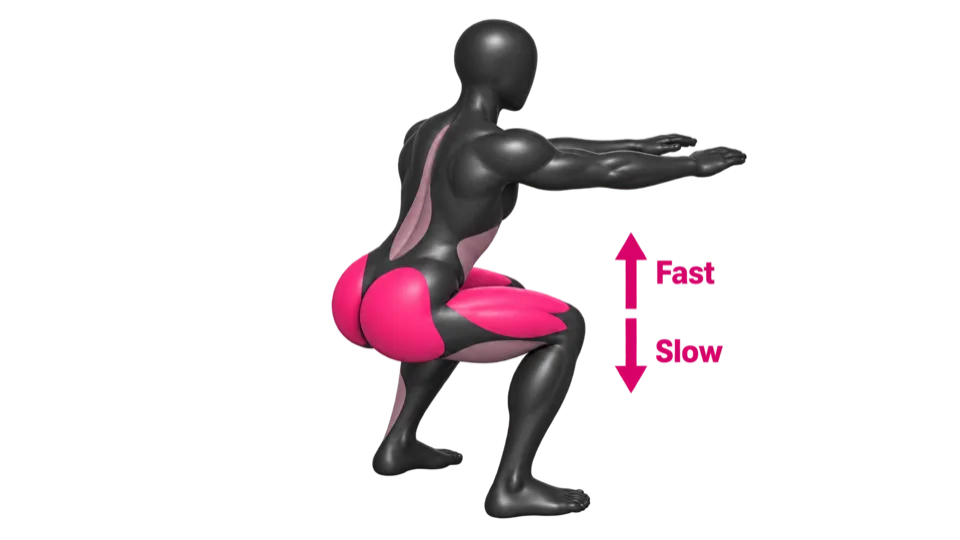
More performance on the court
- Jump higher for the rebound and the shot.
- Faster first step and quicker acceleration.
- A solid core when there is contact under the basket.
- Strength reserves into the fourth quarter.
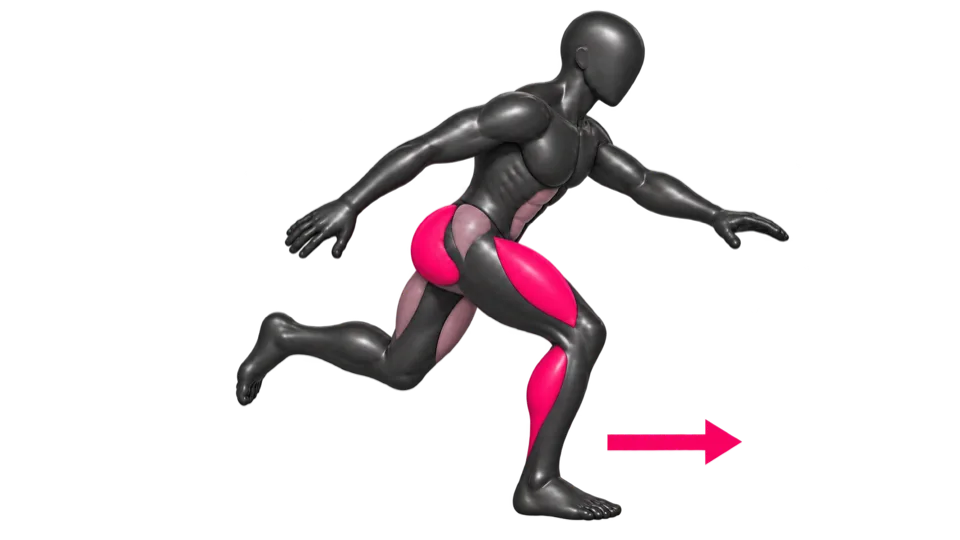
Fewer injuries
- Controlled landings protect ankles and knees.
- Strong hips and groin for quick changes of direction.
- Strong hamstrings for sprinting and braking.
- Stable shoulders for lots of shots and passes.
At what age can young players start strength training?
Strength training with body weight is suitable for children and teenagers as soon as they can follow instructions and perform a movement cleanly. Added weight comes later, once technique is solid. The international consensus on youth resistance training supports age-appropriate, supervised training that matches experience (Lloyd et al., 2014). Training age, meaning experience with clean technique, matters more than birth year.
Age only sets the starting point. After that, what counts is what a player can do cleanly. A practical way to stage it:
- Under 13: one set fewer than older players, light load at most, simple jumps only.
- 13: start at the first level with the normal values.
- 14 and older: without prior experience also the first level. Progress comes through clean technique and small steps.
No maximal attempts, no barbell, no training to muscular failure. Pain in the knee, heel or back is a signal to stop, especially during growth.
Which strength exercises do basketball players need?
A strength session for basketball is a full-body workout with a fixed structure. It takes 15, 30 or 45 minutes and has four parts:
- Warm-up and mobility: get hips, ankles and shoulders mobile and stable. Short and dynamic, no long stretching.
- Landing and jumping: learn to land first, then jump. Always fresh, few clean reps.
- Strength: knees and hips, on two legs and on one, plus pushing and pulling in balance.
- Core and prevention: core, groin and hamstrings to finish.
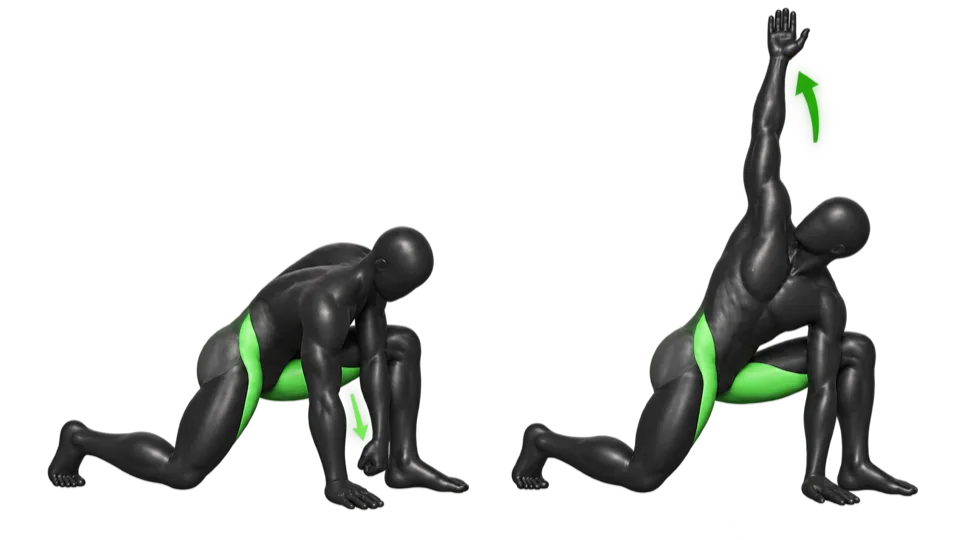
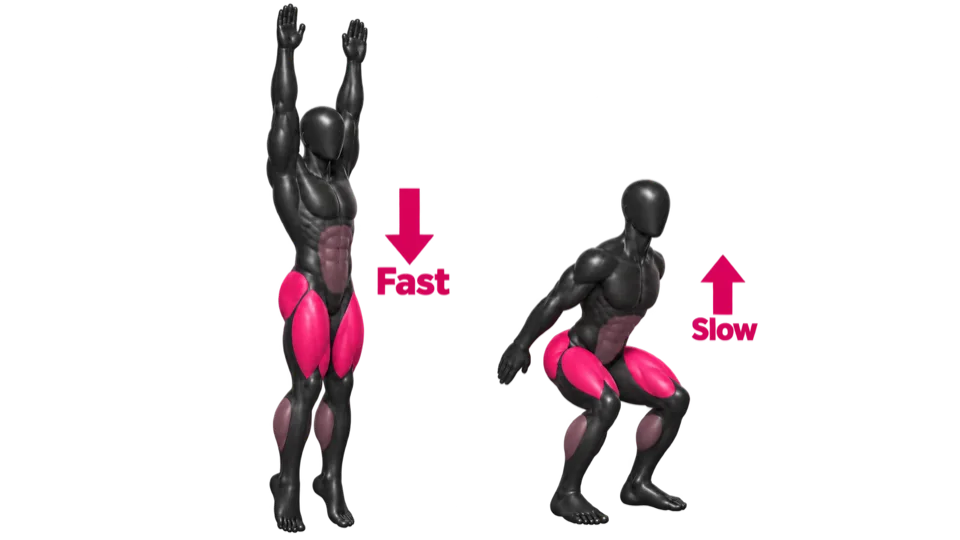
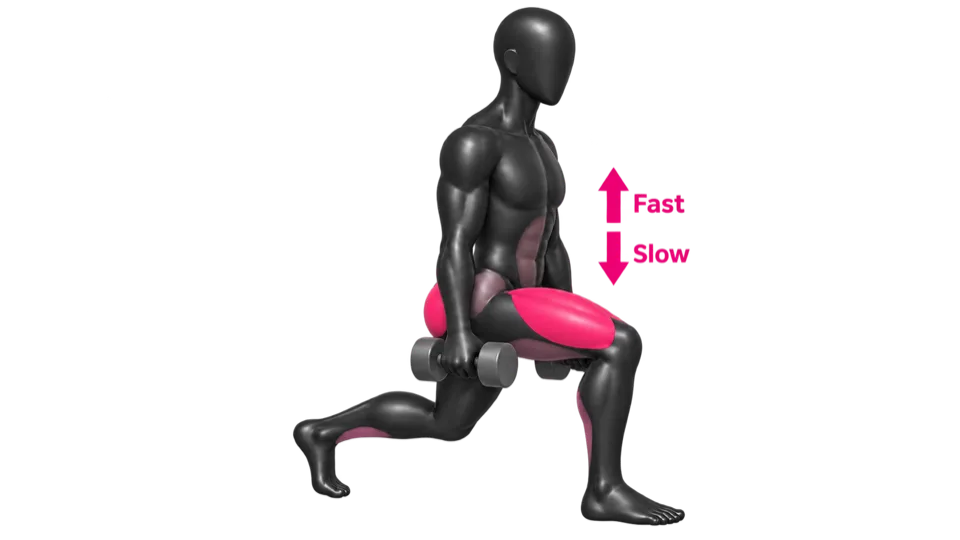
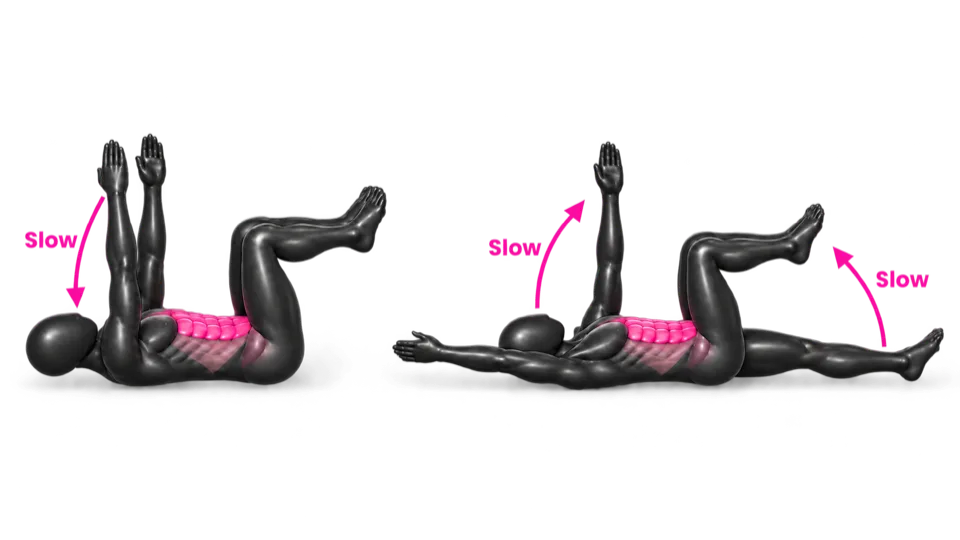
The program works with body weight alone. A resistance band set and adjustable dumbbells widen the selection, a pull-up bar is optional. Loads are not prescribed in kilograms but in levels: body weight, light, moderate or band. A 13-year-old at 45 kg needs a different load than a 17-year-old at 80 kg.
Training vertical jump: land first, then jump
If you want to jump higher, start with the landing. A quiet, stable landing with the knee over the foot is the prerequisite for every jumping exercise. Only once it is solid do standing jumps, broad jumps and lateral jumps follow. Progress comes from technique and the difficulty of the exercise, not from as many reps as possible.
Jumps belong at the start of a session, when legs are fresh. After a hard practice or the day after a game they make no sense. The jumps from team practice and games count too.
Preventing injuries: ankle, knee, groin
Ankle, knee and groin are the typical injury sites in basketball. Prevention works through a combination of strength, balance, landing technique and control when braking. No single exercise does that on its own, which is why all four building blocks belong in every session.
For the knee, what matters is the interplay of hip strength, landing technique and core stability. Girls have a higher risk of ACL injuries, but the technique work is for everyone. For the groin there are dedicated adductor exercises, because changes of direction load exactly that area. For the hamstrings there are exercises that train braking.
How often per week? Fitting strength training into the basketball week
Two to three sessions per week is the goal, fewer in busy game weeks. Between two demanding sessions for the same muscles leave about 48 hours. The day before a game there is no tiring leg work, after a hard game only light movement. Coaches have three ways to bring strength into the team plan:
- 30 minutes before team practice: together in the gym, with body weight and a bench only. Players are fresh, and the warm-up for basketball practice is done at the same time.
- As homework: extra stimulus, even when gym time is scarce. Each player takes the exercises that match the equipment at home.
- Competitive teams with many basketball sessions: strength goes on practice days. That keeps the rest days free for recovery.
- Strength in the gym
- Strength at home
- Team practice
- Game
- Rest day
Strength training before or after basketball practice?
A short body-weight session fits before practice: players are fresh, landing technique and jumps come out cleaner, and the warm-up is included. A long session with added weight belongs on its own day or at home, so basketball practice does not suffer from tired legs.
Strength work as a tired finish after a hard practice achieves little and raises the risk of sloppy technique. If you only have one slot a week, take the 15 or 30 minutes before practice.
Basketball strength training at home without equipment
A session at home needs two square meters of space and a wall. Squats, lunges, push-ups against an edge, glute bridges and core exercises work without any equipment. If an exercise needs a step, a sturdy chair or the edge of the bed will do.
A 15-minute session is a complete session. Consistency beats length: the same sessions on the same days, every week the same. A band set and a dumbbell set widen the selection but are not required.
Common questions from parents
At what age can kids start strength training?
With their own body weight, as soon as they can follow instructions and perform a movement cleanly. Added weight only once technique is solid. For players under 13: one set fewer and light load only.
Does strength training stunt growth?
The 2014 international consensus supports supervised, technique-focused strength training in adolescence. What matters is clean technique, an appropriate load and supervision. Maximal attempts and barbells do not belong in a youth program.
Can teenagers train with dumbbells?
Yes, with dumbbells in small weight steps and only once the body-weight version is clean. Load is not prescribed in kilograms but as a level: light or moderate. The last reps may be hard, technique stays clean.
How often should teenagers train strength?
Two to three short sessions per week, with a day in between where possible, not the day before a game. Fewer in busy game weeks.
What do you need at home?
Nothing but space and a wall. A band set with a door anchor and adjustable dumbbells make more exercises possible. A pull-up bar is optional.
What if something hurts?
Pain in the knee, heel or back is a signal to stop, especially during growth. End the exercise and see a doctor if the complaint persists. An app is no substitute for a medical assessment.
Our theses
- For young players, strength means performance and protection at the same time.
- Learn to land first, then jump.
- Short and regular beats long and rare: two to three sessions per week, and 15 minutes count.
- Age sets the starting point, after that clean technique decides.
In PRACTX
Today, players log their strength sessions with sets, reps and weight, coaches schedule strength training as a team event in the weekly plan, and the stats count both.
Coming soon: the new strength catalog with 89 exercises, image, highlighted muscles and spoken instructions in German and English; the weekly routine Basic Basketball Strength, which places strength days around team practices and games; fixed sessions of 15, 30 and 45 minutes in the gym; homework sessions with a completion list for the coach.
Sources
- Lloyd, R. S., Faigenbaum, A. D., Stone, M. H. et al. (2014). Position statement on youth resistance training: the 2014 International Consensus. British Journal of Sports Medicine, 48(7), 498–505. doi:10.1136/bjsports-2013-092952 (opens in a new tab)
Related
As of October 12, 2026